Hey resin fam, let’s cut to the chase: I’ve spent years shipping resin jewelry charms to creators, small boutique owners, and hobbyists around the world, and the number one question I get isn’t about curing times or pigment ratios—it’s “how do I keep my charms from getting ruined between orders or projects?” Resin Jewelry Charms
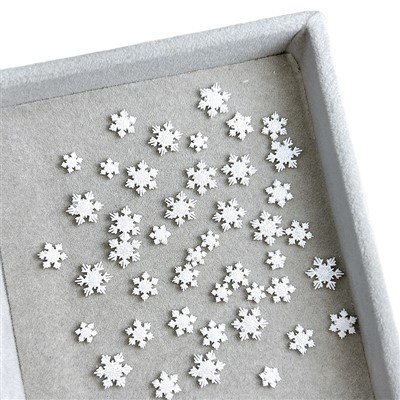
I get it. You pour hours into mixing, adding glitter, inclusions, or that special tiny pressed flower, only to pull out a charm weeks later and find it’s sticky, foggy, or even developed weird little cracks (we’ve all been there). Trust me, I’ve had boxes of perfect holiday-themed charms go bad because I stored them wrong in a rush before a craft show. Now I’ve got a system that works, and I’m spilling all the tea so you don’t waste your time, money, or your perfectly crafted resin.
First, Why Bad Storage Kills Resin Charms (No, It’s Not Just “Put Them in a Drawer”)
Let’s get real: resin is way more sensitive than a lot of new makers think. It’s not like metal or plastic charms that can just hang out in a bin. When resin cures, it’s at its strongest once it’s fully post-cured (I’m talking 7-10 days after your last tacky test—wait that extra week, guys), but even then, it can react to its environment.
I see this all the time when customers message me: “I left these in a drawer with old earrings and they’re sticky!” Nope—resin off-gasses tiny amounts of volatile organic compounds (VOCs) even after curing, especially if they’re not fully done. Those fumes can stick to other charms or cling to dust, which is a nightmare. Also, too much heat? Your glitter might bleed, especially the cheap craft glitter (we use cosmetic-grade glitter that’s way more colorfast, but still, extreme heat is a no-go). And humidity? Foggy resin? Not usually from bad resin, it’s from moisture getting trapped in storage.
The Do’s and Don’ts of Storing Resin Charms (From a Guy Who’s Messed Up A Lot)
Let’s break this down into simple, actionable steps—no fancy lab gear required.
Do: Sort Them First (Trust Me, It Saves Time and Headaches)
When you receive charms from a supplier like me, or finish your own, don’t just dump them all in a pile. I sort mine by two things: size and finish. Why? Large bangle charms (the ones for big pendants) can scratch smaller, delicate stud charms if they’re loose together. Matte resin charms? They pick up dust way easier than glossy ones, so store them separately from shiny ones if you want to keep that fresh pour shine.
I also tag them by vibe or purpose—“Summer Beach Charms,” “Bridesmaid Collection,” “Mixed Media Inclusions”—so when a customer orders 50 nautical charms, I can grab them in 2 minutes instead of digging through a bin for 10. No more accidentally scratching a mint-condition charm while hunting for that neon pineapple one.
Don’t: Use Plastic Bags (Unless They’re the Right Kind)
Wait, hold on— I used to use those cheap zip-top bags to toss loose charms after curing, and within 3 days, half of them were sticky. Here’s why: regular plastic (the thin grocery store kind, or even cheap zip tops) leaches chemicals that react with resin. Those chemicals mess with the glossy finish, make it tacky over time, and can even dull any metallic foils we add.
I only use two things for bag storage now: food-grade polypropylene (PP) zip-top bags, or anti-static polyester bags. PP is BPA-free, doesn’t off-gas, and is thin enough to not trap too much moisture. Anti-static bags? Great if you have charms with metal accents (like jump rings we attach for jewelry makers) because they prevent static from attracting dust.
Pro tip from my warehouse team: never overstuff a bag. If charms are squished tight, the resin’s own weight can cause small indentations, especially if you’re storing thick chunky charms.
Do: Wrap Delicate Charms Individually
You know those tiny detailed charms with embossed patterns, or the ones with real pressed petals that might flake? Those need a little extra love. I use acid-free tissue paper— no colored tissue, guys, the dye can transfer to resin. Wrap each one loosely, tuck the ends in, and stack them in a bin. For super detailed charms (like little skulls or tiny landscape scenes), I even put a tiny piece of tissue between two charms, so they don’t rub against each other.
Last month, a customer ordered a set of wedding-themed resin charms with pressed baby’s breath, and she told me she stored them wrapped in tissue for 2 months before her craft fair, and they looked exactly like the day she got them. Compare that to a batch I messed up once by leaving them loose—half the petals had rubbed off, and a few charms had tiny scratch marks where they banged together.
Don’t: Store Them in Extreme Temps (Not Hot, Not Cold)
I’ve seen storage fails in both extremes. My old garage warehouse? I tried to store holiday charms there in December, and the temperature dropped to 20°F (-7°C) overnight. When I pulled them out, some of the translucent charms had tiny white cracks in them—cold makes resin brittle, especially if it’s not fully cured. On the flip side, I once put a bin of summer-themed charms on a shelf above a heater in my office, and within a week, the neon pink glitter had turned pale, and the glossy finish was dull.
The sweet spot? Room temperature, between 60°F (15°C) and 75°F (24°C). That’s what I keep all my stock in, and it’s never failed me. If you don’t have a climate-controlled spot, a closet or a shelf away from windows and appliances works—just stay away from direct sunlight (UV rays can make resin yellow over time, especially if it’s clear) and radiators, AC units, or garage attics/basements.
Do: Keep Them Dry (Humidity Is Your Enemy)
Moisture and resin don’t mix. I learned this the hard way last year when I stored a batch of beach-themed charms during a rainy week in Florida. The humidity was like 80%, and when I pulled them out, several had a foggy, cloudy film on the surface that wouldn’t buff off. Turns out, the moisture got trapped in the bin I used.
If you’re in a humid area, add a tiny silica gel packet to your storage bins (the ones you get with new shoes or electronics—just make sure they’re not eaten, keep them away from kids/pets). Change them every 2-3 months. Also, avoid storing charms in the bathroom or near a sink—steam from showers adds tons of moisture in the air.
Don’t: Leave Them Loose in Big Bins
I know it’s easy to just dump everything in a big drawer, but loose charms scratch each other. I used to do this for quick storage, and I ended up having to toss 10% of my stock because of surface scratches that showed up when the light hit them.
Instead, use divided plastic bins (the kind with slots or small compartments) for smaller charms, or stackable clear plastic bins for larger sets. Clear is good because you can see what’s inside without opening every lid, which saves time when you’re grabbing orders. Just don’t stack bins too high—heavy bins on top can crush smaller ones at the bottom.
Extra Tips for Long-Term Storage (Like If You’re Hoarding Charms for a Big Project)
If you’re holding onto charms for more than 3 months (say, for a big wedding order or a line for holiday sales), I have a few extra tricks:
- Seal them in anti-static bags with a silica gel packet, then put them in a hard-shell plastic bin (not fabric, fabric traps dust).
- Label everything: the date you received them, the type, color, and any notes (like “matte, no jump rings”). I use a sharpie or sticky labels, and it makes restocking way easier.
- Check on them once a month. Just pull a few charms out and inspect them—if a bag feels sticky, or you see dust buildup, that’s a sign you need to re-wrap them or add more silica gel.
Wrapping It Up (And How to Work With Us)
Look, storing resin charms isn’t rocket science—it’s all about keeping them away from chemicals, extreme temps, moisture, and scratches. We’ve got this down to a science in our warehouse, which is why all our charms arrive ready to use, no surprises.
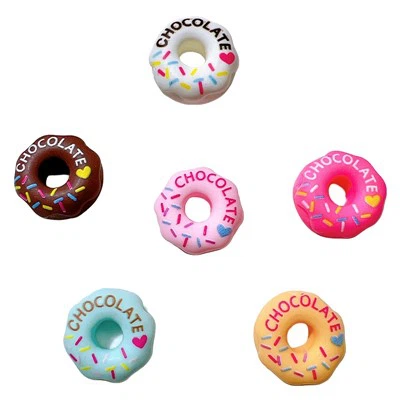
If you’re a maker, boutique owner, or someone needing bulk resin charms for jewelry, crafts, or even small business lines, we’ve got a ton of styles—from tiny dangle charms to chunky pendant bases, with or without metal jump rings, and in every color you can imagine. Shoot us a message to chat about orders, bulk pricing, or even custom design work.
Resin Keychains References:
- Resin Manufacturer’s Association. Best Practices for Cured Resin Storage, 2022.
- Craft & Hobby Association. Material Storage Guidelines for Resin Products, 2021.
- Journal of Applied Polymer Science. Effects of Environmental Factors on Cured Epoxy Resin Durability, 2019.
Shengzhou Shengteng Accessories Co., Ltd.
Address: Room 701, Building 23, Wanyang Innovation City, No. 368 Kaiya Road, Changle Town, Shengzhou City, Shaoxing City, Zhejiang Province
E-mail: 15869252296@163.com
WebSite: https://www.shengtengjewelry.com/
