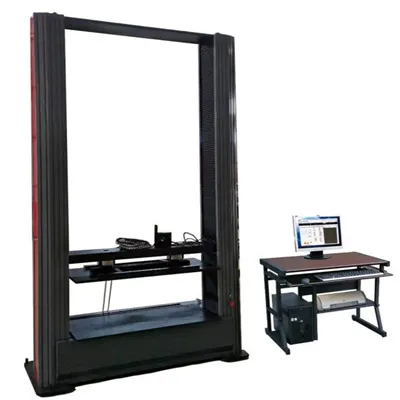
Alright, folks! As a supplier of testing machines, I’m stoked to share with you how to perform static testing using one of our bad – ass machines. Static testing is super crucial in a bunch of industries, like manufacturing, construction, and aerospace. It helps us figure out how materials and structures hold up under constant loads without any dynamic forces messing things up. Testing Machine
Understanding Static Testing
First off, let’s get clear on what static testing actually is. Static tests are all about applying a steady load to a test specimen and seeing how it reacts. This could be testing a metal bar to see how much weight it can take before it bends or a concrete column to check its compression strength.
The main thing we’re looking for in static testing is to find out the material’s mechanical properties, like its yield strength, ultimate strength, and modulus of elasticity. These properties tell us a lot about how the material will perform in real – world applications.
Preparing for Static Testing
Before we fire up the testing machine, there are a few things we need to do.
Selecting the Right Specimen
The specimen is the thing we’re going to test. It has to be carefully chosen and prepared. The size and shape of the specimen matter big time. For example, if we’re testing a metal rod, we need to make sure it’s cut to the right length and diameter according to the standards. Usually, we follow industry – wide standards like ASTM (American Society for Testing and Materials) or ISO (International Organization for Standardization). These standards give us clear guidelines on how to prepare the specimen.
Calibrating the Testing Machine
Our testing machines are top – notch, but they still need to be calibrated regularly. Calibration is like tuning up a car. It ensures that the machine is giving us accurate readings. We use calibration weights and devices to make sure that the load applied by the machine is correct and that the sensors are working properly. If the machine isn’t calibrated correctly, all our test results will be off, and that’s a big no – no.
Setting Up the Test Fixture
The test fixture is what holds the specimen in place during the test. It has to be set up carefully so that the load is applied evenly to the specimen. Different types of tests require different fixtures. For example, if we’re doing a tensile test (pulling the specimen apart), we need a fixture that can grip the specimen tightly without causing any damage. And if it’s a compression test (squeezing the specimen), the fixture has to be able to distribute the load evenly across the specimen.
Performing the Static Test
Once we’ve got everything set up, it’s time to start the test.
Loading the Specimen
We carefully place the specimen in the test fixture and make sure it’s centered. Then, we start applying the load slowly. We usually do this at a constant rate, which is specified in the testing standards. For example, in a tensile test, we might start pulling the specimen at a rate of 0.05 inches per minute. This slow and steady rate allows us to accurately measure how the specimen responds to the load.
Monitoring the Test
As the test goes on, we keep a close eye on a bunch of things. We use sensors on the testing machine to measure the load being applied and the deformation of the specimen. The deformation is how much the specimen changes shape under the load. We can display this data on a computer screen, and it gives us a real – time view of what’s happening to the specimen.
Stopping the Test
The test ends when something significant happens. This could be when the specimen breaks, reaches its yield point, or when we’ve applied the maximum load we intended to test. Once the test is over, we stop the machine and record all the data we’ve collected.
Analyzing the Test Results
After the test is done, the real fun begins – analyzing the results.
Calculating Key Properties
We use the data we collected during the test to calculate the key mechanical properties of the specimen. For example, we can calculate the yield strength by finding the point on the stress – strain curve where the material starts to deform permanently. The ultimate strength is the maximum stress the material can withstand before breaking. The modulus of elasticity tells us how stiff the material is.
Comparing with Standards
We then compare our test results with the industry standards. If the specimen meets or exceeds the standards, it’s a good sign. But if it falls short, we might need to figure out what went wrong. Maybe there was an issue with the material, or the testing process wasn’t carried out correctly.
Advantages of Our Testing Machines for Static Testing
Now, let me tell you why our testing machines are the bomb for static testing.
High Precision
Our machines are built with the latest technology to ensure high – precision measurements. The sensors are super accurate, and the load – applying mechanism is very stable. This means you can trust the test results you get from our machines.
User – Friendly Interface
We know that not everyone is a testing expert, so we’ve designed our machines with a user – friendly interface. You don’t need to be a rocket scientist to operate them. The controls are easy to understand, and the software that comes with the machine makes it simple to set up tests and analyze results.
Customizable
Every testing job is different, and our machines can be customized to meet your specific needs. Whether you’re testing small components or large structures, we can adjust the machine’s specifications to fit your requirements.
Applications of Static Testing
Static testing has a wide range of applications.
Manufacturing
In manufacturing, static testing is used to ensure the quality of products. For example, when making car parts, we need to test the materials to make sure they can withstand the loads they’ll experience in real – world use. This helps prevent product failures and ensures customer safety.
Construction
In the construction industry, static testing is used to test building materials like concrete, steel, and wood. We need to make sure that these materials can support the weight of the buildings they’ll be used in. By performing static tests, we can design safer and more reliable structures.
Aerospace
In aerospace, static testing is crucial for testing aircraft components. The materials used in airplanes need to be extremely strong and reliable. Static tests help us determine if these materials can handle the stresses of flight.
Conclusion
Performing static testing using a testing machine is a multi – step process that requires careful preparation, accurate measurement, and detailed analysis. Our testing machines are designed to make this process as easy and reliable as possible. Whether you’re in the manufacturing, construction, or aerospace industry, we’ve got the right machine for your static testing needs.
If you’re interested in learning more about our testing machines or want to discuss your specific testing requirements, don’t hesitate to reach out. We’d love to have a chat and find the perfect solution for you.
Testing Machine References
- ASTM International standards on static testing
- ISO standards related to mechanical testing of materials
- Technical manuals of our testing machines
Yangzhou Zhengyi Testing Machinery Co., Ltd.
As one of the most professional testing machine manufacturers and suppliers in China, we warmly welcome you to buy customized testing machine at competitive price from our factory. If you have any enquiry about quotation, please feel free to email us.
Address: No. 66 Zhenxing North Road, Zhenwu Town, Jiangdu District, Yangzhou City, Jiangsu Province
E-mail: 13813156012@163.com
WebSite: https://www.cnzhengyi.com/
