As a seasoned supplier of Transformer Oil Tanks, I’ve witnessed firsthand the critical role that radiators play within these systems. In this blog post, I’ll delve into the functions of the radiator in a Transformer Oil Tank, shedding light on its significance and how it contributes to the overall performance and longevity of transformers. Transformer Oil Tank

Heat Dissipation: The Primary Function
The most fundamental function of a radiator in a Transformer Oil Tank is heat dissipation. Transformers generate heat during their operation due to the electrical losses that occur within the coils and core. These losses are primarily in the form of copper losses (I²R losses in the windings) and iron losses (hysteresis and eddy current losses in the core). If this heat is not effectively removed, it can lead to a significant rise in the temperature of the transformer oil and the internal components, which can have detrimental effects on the transformer’s performance and lifespan.
The radiator acts as a heat exchanger, transferring the heat from the hot transformer oil to the surrounding air. The transformer oil circulates through the radiator, where it comes into contact with a series of fins or tubes. These fins or tubes increase the surface area of the radiator, allowing for more efficient heat transfer. As the oil flows through the radiator, the heat is transferred from the oil to the fins or tubes, and then from the fins or tubes to the air. The air, in turn, carries away the heat, cooling the oil.
To enhance the heat dissipation process, many radiators are equipped with fans. These fans force air through the radiator, increasing the airflow and improving the heat transfer rate. This is particularly important in high-power transformers or in environments where the ambient temperature is high.
Maintaining Optimal Oil Temperature
Maintaining the transformer oil at an optimal temperature is crucial for the proper operation of the transformer. The transformer oil serves several important functions, including insulation, cooling, and arc quenching. If the oil temperature is too high, it can degrade the insulation properties of the oil, leading to increased electrical losses and a higher risk of electrical breakdown. On the other hand, if the oil temperature is too low, the viscosity of the oil increases, which can impede the oil’s flow and reduce its ability to transfer heat.
The radiator helps to maintain the transformer oil at an optimal temperature by dissipating the excess heat generated during operation. By keeping the oil temperature within a specified range, the radiator ensures that the oil can perform its functions effectively, thereby protecting the transformer from damage and extending its lifespan.
Preventing Oil Degradation
Transformer oil is a complex mixture of hydrocarbons that can degrade over time due to factors such as heat, oxygen, and moisture. High temperatures accelerate the oxidation of the oil, leading to the formation of sludge, acids, and other degradation products. These degradation products can reduce the insulation properties of the oil, increase the electrical losses, and cause corrosion of the internal components of the transformer.
The radiator helps to prevent oil degradation by keeping the oil temperature within a safe range. By dissipating the excess heat, the radiator reduces the rate of oxidation and slows down the formation of degradation products. This helps to maintain the quality of the oil and prolong its service life, reducing the need for frequent oil changes and maintenance.
Ensuring Electrical Insulation
The transformer oil also serves as an electrical insulator, preventing electrical arcing between the windings and other components of the transformer. However, the insulation properties of the oil can be affected by factors such as temperature, moisture, and contamination. High temperatures can reduce the dielectric strength of the oil, making it more susceptible to electrical breakdown.
The radiator helps to ensure the electrical insulation of the transformer by maintaining the oil temperature at an optimal level. By dissipating the excess heat, the radiator helps to preserve the dielectric strength of the oil, reducing the risk of electrical arcing and ensuring the safe and reliable operation of the transformer.
Enhancing Transformer Efficiency
By dissipating the excess heat generated during operation, the radiator helps to improve the efficiency of the transformer. When the transformer operates at a lower temperature, the electrical losses are reduced, which means that more of the input electrical energy is converted into useful output energy. This not only reduces the energy consumption of the transformer but also lowers the operating costs.
In addition, by maintaining the oil temperature at an optimal level, the radiator helps to prevent the degradation of the insulation and other components of the transformer. This reduces the need for maintenance and repairs, further improving the efficiency and reliability of the transformer.
Conclusion
In conclusion, the radiator in a Transformer Oil Tank plays a vital role in the operation and performance of the transformer. Its primary function is to dissipate the excess heat generated during operation, thereby maintaining the transformer oil at an optimal temperature, preventing oil degradation, ensuring electrical insulation, and enhancing transformer efficiency.
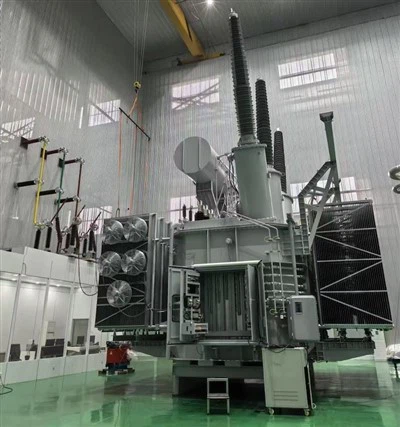
As a Transformer Oil Tank supplier, we understand the importance of providing high-quality radiators that can effectively perform these functions. Our radiators are designed and manufactured using the latest technology and highest quality materials to ensure maximum heat dissipation, reliability, and durability.
Transformer Radiator If you’re in the market for a Transformer Oil Tank or need to upgrade your existing radiator, I encourage you to contact us to discuss your specific requirements. Our team of experts will be happy to provide you with more information and help you find the right solution for your needs.
References
- Electric Power Substations Engineering, Third Edition by Turan Gonen
- Transformer Engineering: Design, Technology and Diagnostics by J. L. Kirtley Jr.
- Electrical Insulation for Rotating Machines: Design, Evaluation, Aging, Testing, and Repair by E. Boggs, et al.
Nantong Zhihe Electric Co., Ltd.
As one of the most professional transformer oil tank manufacturers and suppliers in China, we’re featured by quality products and low price. Please rest assured to wholesale cheap transformer oil tank made in China here from our factory. Customized orders are welcome.
Address: NO.202 Jianghai West Road, Hai’an Town, Hai’an City, Jiangsu Province
E-mail: colt.ntzh@gmail.com
WebSite: https://www.ntzhelectric.com/
