Can a vertical lathe be customized? This is a question that many potential buyers often ask. As a supplier of vertical lathes, I am here to provide a comprehensive answer and share insights into the world of customized vertical lathes. Vertical Lathe
Understanding the Basics of Vertical Lathes
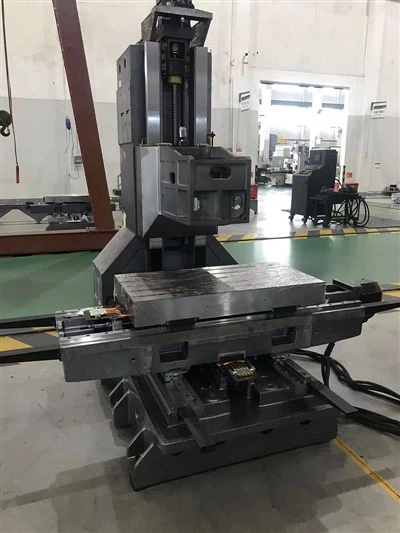
Before delving into the topic of customization, it’s essential to understand what a vertical lathe is. A vertical lathe, also known as a vertical turning center, is a machine tool used for turning, boring, drilling, and facing operations on large and heavy workpieces. Unlike horizontal lathes, vertical lathes have a vertically oriented spindle, which allows for better handling of large-diameter workpieces and provides enhanced stability during machining.
Vertical lathes are widely used in various industries, including aerospace, automotive, energy, and heavy machinery manufacturing. They are capable of producing high-precision components with complex geometries, making them an indispensable tool for many manufacturing processes.
The Case for Customization
The short answer to the question "Can a vertical lathe be customized?" is yes. In fact, customization is one of the key advantages of choosing a vertical lathe over a standard off-the-shelf machine. Here are some reasons why customization is often necessary and beneficial:
1. Specific Workpiece Requirements
Different industries and applications have unique workpiece requirements. For example, the aerospace industry may require vertical lathes capable of machining large, thin-walled components with high precision, while the energy industry may need machines that can handle heavy, large-diameter shafts. By customizing a vertical lathe, manufacturers can ensure that the machine meets their specific workpiece requirements, resulting in better quality and efficiency.
2. Process Optimization
Customization allows manufacturers to optimize their machining processes. For instance, a manufacturer may need a vertical lathe with a specific spindle speed range, feed rate, or tooling configuration to achieve the desired machining results. By working with a supplier to customize the machine, manufacturers can fine-tune these parameters to improve productivity and reduce costs.
3. Integration with Existing Systems
In many cases, manufacturers need to integrate their vertical lathes with existing production systems, such as automated material handling systems or computer numerical control (CNC) systems. Customization enables the seamless integration of the vertical lathe into the existing production environment, ensuring smooth and efficient operation.
4. Competitive Advantage
Customized vertical lathes can provide manufacturers with a competitive advantage in the market. By offering unique features and capabilities, manufacturers can differentiate their products from those of their competitors, attracting more customers and increasing market share.
Customization Options for Vertical Lathes
When it comes to customizing a vertical lathe, there are several options available. Here are some of the most common customization options:
1. Spindle Configuration
The spindle is the heart of a vertical lathe, and its configuration can have a significant impact on the machine’s performance. Customization options for the spindle include the type of spindle (e.g., belt-driven, direct-drive), the spindle speed range, and the spindle power. Manufacturers can choose a spindle configuration that best suits their specific machining requirements.
2. Tooling and Workholding
The tooling and workholding systems used on a vertical lathe can also be customized. Manufacturers can choose from a variety of tool holders, tool magazines, and workholding devices to ensure that the machine can handle different types of workpieces and machining operations. For example, a manufacturer may need a specialized chuck or fixture to hold a particular workpiece securely during machining.
3. Control System
The control system of a vertical lathe is responsible for controlling the machine’s movements and operations. Customization options for the control system include the type of CNC controller, the programming language, and the user interface. Manufacturers can choose a control system that is easy to use and provides the necessary functionality for their machining processes.
4. Automation and Robotics
Automation and robotics can significantly improve the productivity and efficiency of a vertical lathe. Customization options for automation and robotics include the addition of robotic loaders and unloaders, automated tool changers, and conveyor systems. These features can reduce labor costs, increase throughput, and improve the overall quality of the machining process.
5. Machine Size and Layout
The size and layout of a vertical lathe can also be customized to fit the specific requirements of the manufacturing facility. Manufacturers can choose the size of the machine bed, the height of the column, and the overall footprint of the machine. Additionally, the layout of the machine can be designed to optimize the flow of materials and personnel within the facility.
The Customization Process
The process of customizing a vertical lathe typically involves the following steps:
1. Consultation
The first step in the customization process is to consult with a vertical lathe supplier. During this consultation, the supplier will work with the manufacturer to understand their specific requirements, including the type of workpieces to be machined, the desired machining processes, and any specific features or capabilities that are required.
2. Design and Engineering
Based on the information gathered during the consultation, the supplier will develop a customized design for the vertical lathe. This design will include detailed specifications for the machine’s components, such as the spindle, tooling, control system, and automation features. The design will also take into account the manufacturer’s specific requirements and the available space in the manufacturing facility.
3. Manufacturing and Assembly
Once the design has been finalized, the supplier will begin the manufacturing and assembly process. This involves fabricating the machine’s components, such as the bed, column, and spindle, and assembling them into a complete machine. The manufacturing process is typically carried out in a state-of-the-art manufacturing facility using the latest manufacturing technologies and equipment.
4. Testing and Commissioning
After the machine has been assembled, it will undergo a series of tests and inspections to ensure that it meets the specified requirements. These tests include performance tests, accuracy tests, and safety tests. Once the machine has passed all the tests, it will be commissioned and delivered to the manufacturer’s facility.
5. Training and Support
After the machine has been installed at the manufacturer’s facility, the supplier will provide training to the operator and maintenance personnel. This training will cover the operation, programming, and maintenance of the vertical lathe. The supplier will also provide ongoing support to ensure that the machine operates smoothly and efficiently.
Conclusion
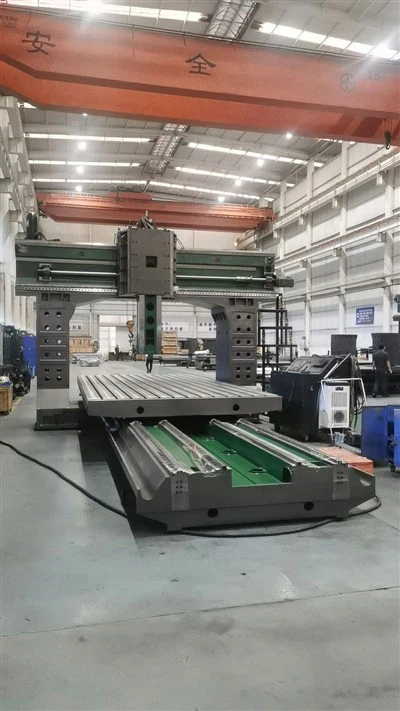
In conclusion, a vertical lathe can be customized to meet the specific requirements of different industries and applications. Customization offers many benefits, including improved workpiece quality, increased productivity, and enhanced competitiveness. By working with a reputable vertical lathe supplier, manufacturers can ensure that they get a customized machine that meets their exact needs.
CNC Turning Center Frame If you are interested in purchasing a customized vertical lathe, I encourage you to contact us for a consultation. Our team of experts will work with you to understand your requirements and develop a customized solution that meets your needs. We look forward to working with you to help you achieve your manufacturing goals.
References
- ASME B5.54 – 2005, Performance Standard for Computer Numerically Controlled Turning Centers and Turning Machines
- ISO 230 – 1:2012, Test code for machine tools – Part 1: Geometric accuracy of machines operating under no-load or finishing conditions
- Mazak Corporation, Vertical Turning Centers Product Catalog
- DMG MORI SEIKI AG, Vertical Lathes Product Brochure
Smartech Machinery & Equipment Co., Ltd.
As one of the most professional vertical lathe manufacturers and suppliers in China, we also support customized service. Please rest assured to buy bulk vertical lathe made in China here from our factory. Contact us for more details.
Address: Room 2832, Changping Commercial Mansion, Shihua Road, Futian Free Trade Zone, Shenzhen, China
E-mail: smartech@smartechcnc.cn
WebSite: https://www.smartech-cnc.com/
