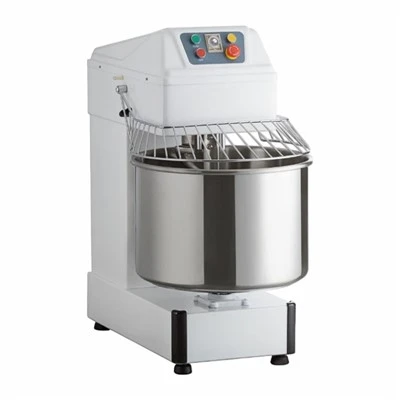
Spiral mixers are essential equipment in bakeries, pastry shops, and large kitchens, renowned for their efficiency in kneading dough. But what happens when this reliable workhorse fails to start? As a seasoned spiral mixer supplier, I’ve encountered numerous instances of mixer starting issues. In this blog, I’ll share some practical troubleshooting tips to help you identify and resolve the problem. Spiral Mixer
1. Check the Power Supply
The most basic step in troubleshooting a non – starting spiral mixer is to examine the power supply. First, make sure the mixer is properly plugged into a functioning electrical outlet. Sometimes, a loose plug can be the culprit. Give it a gentle tug to ensure it’s firmly seated.
Next, check the circuit breaker or fuse box. If the breaker has tripped, it could be due to an electrical overload or a short circuit in the mixer. Reset the breaker and see if the mixer starts. However, if the breaker trips again immediately, there could be a more serious electrical issue with the mixer.
In some cases, the problem might be with the power cord itself. Look for any visible signs of damage such as cuts, frays, or exposed wires. A damaged power cord can disrupt the electrical flow and prevent the mixer from starting. If you notice any damage, it’s crucial to replace the power cord with a compatible one. Only use power cords that are rated for the voltage and amperage requirements of your spiral mixer.
2. Inspect the Switch and Controls
The next component to examine is the on – off switch and other controls of the spiral mixer. Over time, switches can wear out or become faulty. Try toggling the switch on and off a few times. If you hear a clicking sound but the mixer doesn’t start, it could be a problem with the internal contacts of the switch.
Some spiral mixers have additional controls such as speed settings or safety interlocks. Make sure these controls are set correctly. For example, if the safety interlock is engaged because the mixer bowl is not properly in place, the mixer will not start. Ensure that all bowls, covers, and attachments are properly installed according to the manufacturer’s instructions.
If you suspect that the switch or controls are defective, you can test them using a multimeter. A multimeter can measure the electrical continuity of the switch. If the switch shows no continuity when it’s supposed to be on, it needs to be replaced.
3. Examine the Motor
The motor is the heart of the spiral mixer, and problems with it can prevent the mixer from starting. Before delving into the motor, make sure the power is disconnected to avoid any electrical shocks.
Check the motor for any visible signs of damage, such as burnt wires or a charred smell. A burnt – out motor will not be able to function properly. Sometimes, debris or flour can accumulate around the motor, causing it to overheat and fail. Use a soft brush or compressed air to clean any dust or debris from the motor and its ventilation openings.
If the motor seems to be making a humming sound but not turning, it could be due to a seized motor. This can happen if the motor bearings have worn out or if there is something blocking the motor shaft. In such cases, it may be necessary to disassemble the motor (if you have the technical expertise) and try to free the shaft. However, motor repairs are often complex and may require professional assistance.
4. Evaluate the Belt and Transmission System
Many spiral mixers use a belt – driven system to transfer power from the motor to the mixing arm. A worn or damaged belt can cause the mixer to malfunction. Inspect the belt for signs of wear, such as cracks, fraying, or stretching. If the belt is too loose or too tight, it can also prevent the mixer from starting or cause it to operate inefficiently.
To adjust a loose belt, loosen the motor mounting bolts and move the motor away from the pulley to increase the tension. Then, tighten the bolts and check the belt tension again. If the belt is damaged, it should be replaced with a new one that is the correct size and type for your mixer.
In addition to the belt, check the pulleys and other components of the transmission system. Make sure the pulleys are aligned properly and are not damaged. A misaligned pulley can cause the belt to slip or wear out quickly.
5. Look for Mechanical Obstructions
Mechanical obstructions can also prevent the spiral mixer from starting. Check inside the mixing bowl for any foreign objects such as spatulas, spoons, or pieces of dough that may have gotten stuck. These objects can jam the mixing arm and prevent it from turning.
Inspect the bearings of the mixing arm. Over time, bearings can become clogged with grease and debris, causing them to seize up. If the bearings are dirty, they can be cleaned using a suitable solvent, and then lubricated with the appropriate grease. However, if the bearings are severely damaged, they will need to be replaced.
6. Refer to the Manufacturer’s Manual
Every spiral mixer comes with a manufacturer’s manual that contains detailed troubleshooting information. If you’re having trouble getting your mixer to start, refer to the manual first. It will often provide specific instructions on how to diagnose and fix common problems.
The manual may also have a list of error codes and what they mean. If your mixer has a digital display that shows an error code, look this up in the manual to understand the nature of the problem.
7. Seek Professional Help
If you’ve gone through all the above troubleshooting steps and still can’t get the spiral mixer to start, it’s time to seek professional help. Contact a qualified technician who has experience working on spiral mixers. They will have the tools and expertise to diagnose and repair complex issues.
As a spiral mixer supplier, I understand the importance of having your equipment up and running as quickly as possible. If you’re struggling with a non – starting mixer, don’t hesitate to reach out to us for advice. We have a team of experts who can guide you through the troubleshooting process or recommend a reliable service technician.
In conclusion, a non – starting spiral mixer can be frustrating, but by following these troubleshooting steps, you can often identify and resolve the problem. Regular maintenance and inspections can also help prevent starting issues in the future.
Commercial Food Warmer If you’re in the market for a new spiral mixer or need spare parts for your existing one, we’re here to assist you. Our range of high – quality spiral mixers is designed to meet the diverse needs of the baking and food industry. Contact us to discuss your requirements and start a procurement negotiation today.
References
- Various spiral mixer user manuals
- Technical literature on industrial mixer maintenance and repair
Hangzhou Joy Kitchen Equipment Co., Ltd.
As one of the most professional spiral mixer manufacturers and suppliers in China, we also support custom service. We warmly welcome you to wholesale advanced spiral mixer from our factory. If you have any enquiry about cooperation, please feel free to email us.
Address: Building1, Tongrenessence Building, Xihu District, Hangzhou, Zhejiang Province, China
E-mail: tyler@equipmentjoy.com
WebSite: https://www.joykitchenequipment.com/
