Hey there! I’m a rep from a cryogenic ball valve supplier. You might be wondering how the cryogenic environment impacts the operation of a ball valve. Well, let’s dive right in and break it down. Cryogenic Ball Valve
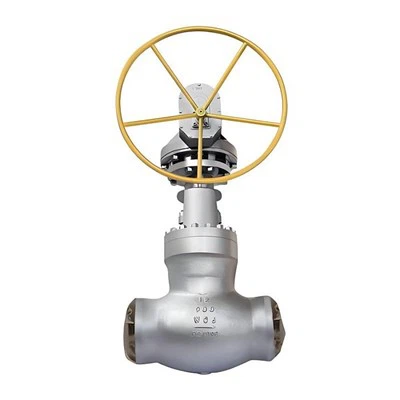
First off, what exactly is a cryogenic environment? Cryogenic conditions typically refer to extremely low temperatures, often below -150°C (-238°F). These cold temps are used in a bunch of industries, like liquefied natural gas (LNG) processing, air separation units, and even in some high – tech research. In these settings, ball valves play a crucial role in controlling the flow of fluids.
One of the biggest impacts of the cryogenic environment on a ball valve is the effect on materials. Most metals contract when they get cold. This contraction can cause serious issues. For instance, if the valve body and the ball inside it contract at different rates, it can lead to a tight fit that restricts the movement of the ball. This is known as "binding." When a ball valve binds, it becomes difficult to open or close, which can be a major problem in an industrial process.
Let’s talk about the seals in a cryogenic ball valve. Seals are essential for preventing leaks, but in the cold, they can become brittle. The rubber or plastic materials commonly used in seals can lose their elasticity at low temperatures. When this happens, the seal might not make a proper seal anymore, leading to leakage. And in a cryogenic system, leakage can be super dangerous. For example, in an LNG facility, a leak could lead to the release of extremely cold and potentially explosive gas.
The lubricants used in ball valves also face challenges in a cryogenic environment. Normal lubricants thicken or even solidify at low temperatures. When lubricants become too thick, they can add extra resistance to the movement of the ball. This means more force is needed to open or close the valve, and over time, it can cause wear and tear on the valve components. So, special cryogenic – grade lubricants are required. These lubricants are designed to remain fluid at extremely low temperatures and provide the necessary lubrication to keep the valve operating smoothly.
Another aspect to consider is the differential pressure across the valve. In a cryogenic system, the fluid pressure can change significantly due to the low – temperature conditions. When the valve is open, the flow of the cold fluid can create a pressure drop. And when the valve is closed, the pressure differential can put stress on the valve components. If the valve isn’t designed to handle these pressure changes, it can lead to deformation or even failure of the valve.
Now, let’s look at how these factors affect the performance of a cryogenic ball valve in real – world scenarios. In an LNG terminal, where massive amounts of liquefied gas are stored and transferred, cryogenic ball valves are constantly exposed to extremely low temperatures. The valves need to open and close precisely to control the flow of LNG. Any issue with binding, leakage, or excessive resistance can disrupt the entire transfer process. This can lead to delays, increased costs, and even safety hazards.
In air separation units, where air is cooled to extremely low temperatures to separate its components like nitrogen, oxygen, and argon, cryogenic ball valves are used to control the flow of these gases. Any malfunction of the valve can affect the efficiency of the separation process. For example, a leaky valve can cause loss of valuable gases, which means lower productivity and higher operational costs.
As a cryogenic ball valve supplier, we’ve seen firsthand the challenges that customers face in dealing with these cryogenic environments. That’s why we’ve put in a lot of effort into research and development. Our valves are made from special materials that are designed to handle the contraction and expansion caused by temperature changes. We use advanced sealing technologies to ensure a tight seal even at ultra – low temperatures. And our cryogenic – grade lubricants provide long – lasting performance.
We also offer customized solutions. Every cryogenic application is different, and we know that one – size – fits – all just doesn’t work. So, we work closely with our customers to understand their specific requirements and design valves that are tailored to their needs. Whether it’s a small research setup or a large – scale industrial plant, we can provide the right cryogenic ball valve.
If you’re in an industry that uses cryogenic systems and you’re facing issues with your ball valves, we’re here to help. Don’t let problems like binding, leakage, or poor performance slow you down. Reach out to us and let’s have a chat about how we can supply you with high – quality cryogenic ball valves that will meet your needs. We’re confident that our products can make a big difference in the efficiency and safety of your cryogenic operations.
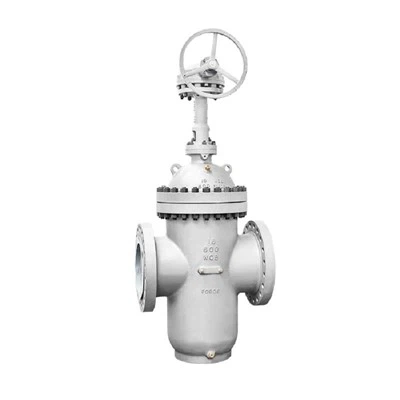
So, what are you waiting for? Contact us and start the conversation about upgrading your cryogenic ball valves. Let’s work together to overcome the challenges of the cryogenic environment and make your operations run more smoothly.
Globe Valve References:
- ASME B31.3 – Process Piping Code
- API 6D – Specification for Pipeline Valves
- ASTM standards related to cryogenic materials
Wuxi PYNOS Flow-tech Co., Ltd.
As one of the leading cryogenic ball valve manufacturers and suppliers in China, we offer a wide range of products with superior quality. We warmly welcome you to buy high quality cryogenic ball valve made in China here from our factory. We also accept customized orders.
Address: Sales Center: 7th Floor, No.19 Qingyuan RD, Wuxi City, Jiangsu Prov., China
E-mail: Info@pynosvalve.com
WebSite: https://www.pynosvalves.com/
