In the realm of property protection and animal containment, fence netting has long been a staple solution. As a supplier deeply involved in the fence netting industry, I’ve witnessed firsthand the diverse uses and benefits of this versatile product. One question that increasingly arises in conversations with customers, environmentalists, and industry peers is: Is fence netting environmentally friendly? In this blog post, I’ll delve into this topic, exploring the environmental aspects of fence netting from various angles. Fence Netting

Material Sourcing and Production
The environmental impact of fence netting begins with the materials used and the production processes involved. Fence netting can be made from a variety of materials, each with its own set of environmental implications.
Steel and Metal Netting
Steel and metal netting are popular choices due to their durability and strength. Steel is one of the most recycled materials in the world, with a high recycling rate. According to the World Steel Association, the global average recycling rate for steel is over 80%. This means that a significant portion of the steel used in fence netting production can come from recycled sources, reducing the need for virgin materials and the associated energy-intensive mining and refining processes.
However, the production of steel still has environmental impacts. The manufacturing process requires large amounts of energy, primarily from fossil fuels, and generates greenhouse gas emissions. Additionally, the use of chemicals in the galvanization process, which is often used to protect steel from corrosion, can have environmental consequences if not properly managed.
Plastic Netting
Plastic netting is another common option, especially for applications such as garden fencing and animal enclosures. The most commonly used plastics in fence netting are polyethylene (PE) and polypropylene (PP). These plastics are derived from petroleum, a non-renewable resource, and their production contributes to greenhouse gas emissions and the depletion of fossil fuels.
On the positive side, some plastic netting manufacturers are now using recycled plastics in their products. Recycled plastic netting can help reduce the demand for virgin plastics and divert plastic waste from landfills. However, recycling plastics still faces challenges, such as the sorting and cleaning processes, which can be energy-intensive and costly.
Natural Fiber Netting
Natural fiber netting, such as jute or hemp, is a more environmentally friendly alternative. These materials are biodegradable, meaning they will break down naturally in the environment over time, reducing waste and pollution. Moreover, jute and hemp are renewable resources that can be grown without the need for large amounts of pesticides or fertilizers.
However, natural fiber netting may not be as durable as steel or plastic netting, especially in harsh weather conditions. This means that it may need to be replaced more frequently, which could offset some of its environmental benefits.
Lifespan and Durability
The lifespan of fence netting is an important factor to consider when evaluating its environmental impact. A longer lifespan generally means less frequent replacement, which in turn reduces the overall demand for materials and energy.
Steel and metal netting are known for their durability and can last for decades with proper maintenance. This is especially true for galvanized or powder-coated steel, which provides excellent protection against corrosion. By choosing a long-lasting fence netting, customers can reduce the need for frequent replacements and minimize the environmental impact associated with production and disposal.
Plastic netting can also have a relatively long lifespan, depending on the type of plastic and the quality of the product. UV-resistant plastics are often used to ensure that the netting can withstand prolonged exposure to sunlight without deteriorating. However, plastic netting may become brittle over time, especially in extreme temperatures, and may need to be replaced more frequently than steel or metal netting.
Natural fiber netting has a shorter lifespan compared to steel and plastic netting. It is more susceptible to damage from moisture, pests, and UV radiation. While this may seem like a disadvantage from an environmental perspective, the biodegradability of natural fiber netting means that it will not contribute to long-term waste in the environment.
End-of-Life Disposal
The disposal of fence netting at the end of its life cycle is another crucial aspect to consider. Proper disposal can help minimize the environmental impact of the product.
Recycling
As mentioned earlier, steel and metal netting are highly recyclable. At the end of its lifespan, steel netting can be melted down and reused to make new products. This reduces the demand for virgin materials and the energy required for manufacturing. Many recycling facilities accept steel and metal scrap, making it relatively easy for customers to recycle their old fence netting.
Plastic netting can also be recycled, but the process is more complex. Different types of plastics require different recycling methods, and not all recycling facilities are equipped to handle plastic netting. However, as the demand for recycled plastics continues to grow, more recycling options are becoming available.
Natural fiber netting, being biodegradable, can be composted or left to decompose naturally in the environment. This means that it does not contribute to landfill waste, which is a significant environmental benefit.
Landfill and Incineration
If fence netting cannot be recycled or composted, it may end up in a landfill or be incinerated. Landfilling can lead to the accumulation of waste and the potential release of harmful chemicals into the environment. Incineration, on the other hand, can generate air pollution and greenhouse gas emissions. Therefore, it is important to explore recycling and composting options whenever possible to minimize the environmental impact of end-of-life disposal.
Environmental Benefits of Fence Netting
Despite the potential environmental challenges associated with fence netting, it also offers several environmental benefits.
Erosion Control
Fence netting can be used for erosion control in areas prone to soil erosion. By installing netting on slopes or along the banks of rivers and streams, it can help prevent soil from being washed away by water or wind. This not only protects the soil and prevents sedimentation in water bodies but also helps to maintain the stability of the ecosystem.
Wildlife Protection
Fence netting can be used to create wildlife corridors and protect sensitive habitats. For example, it can be used to enclose areas of land to prevent human encroachment and protect endangered species. Additionally, fence netting can be used to keep animals out of areas where they may cause damage, such as agricultural fields or gardens, without harming them.
Energy Efficiency
In some cases, fence netting can be used to improve energy efficiency. For example, it can be used as a windbreak to reduce energy consumption in buildings by blocking the wind and reducing heat loss. This can lead to significant energy savings and a reduction in greenhouse gas emissions.
Conclusion
So, is fence netting environmentally friendly? The answer is not straightforward. The environmental impact of fence netting depends on a variety of factors, including the materials used, the production processes, the lifespan of the product, and the end-of-life disposal. While some types of fence netting, such as steel and recycled plastic netting, have relatively low environmental impacts, others, such as virgin plastic netting, may have more significant environmental challenges.
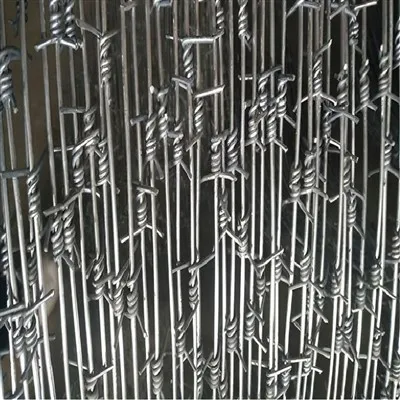
As a fence netting supplier, I am committed to promoting the use of environmentally friendly products. We offer a range of fence netting options made from sustainable materials, and we encourage our customers to consider the environmental impact of their purchases. By choosing the right fence netting and disposing of it properly at the end of its life, we can minimize the environmental impact of this essential product.
Steel Grid If you are interested in learning more about our environmentally friendly fence netting products or have any questions about our offerings, please feel free to contact us. We would be happy to discuss your specific needs and provide you with a customized solution.
References
- World Steel Association. "Steel Recycling." Accessed [Date].
- American Chemistry Council. "Recycling Basics." Accessed [Date].
- United Nations Environment Programme. "Plastic Pollution: A Global Challenge." Accessed [Date].
Anping Chengshuai Slope Protection Engineering Manufacturer
As one of the most reliable fence netting manufacturers and suppliers in China, we have world-leading production equipment and strong manufacturing capabilities. Please rest assured to buy cheap fence netting for sale here from our factory. For price consultation, contact us.
Address: 200 meters east of Wanghulin Village, Anping County, Hengshui City, Hebei Province, China.
E-mail: elfwangwang@gmail.com
WebSite: https://www.chengshuaislopeprotection.com/
