Hey there, folks! I’m a supplier of rubber magnets, and I often get asked this question: "Can rubber magnets be magnetized?" Well, let’s dive right into it and explore this topic together. Rubber Magnet
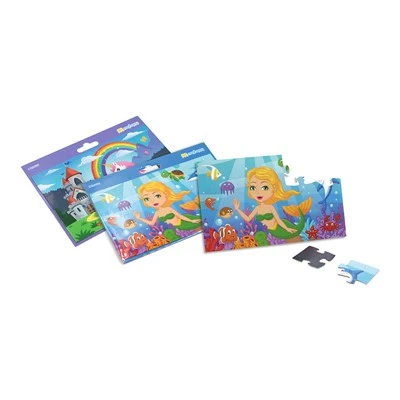
First off, let me give you a quick intro to rubber magnets. Rubber magnets are a type of flexible magnet that combines magnetic powder with a rubber binder. They’re super versatile and can be found in all sorts of applications, from fridge magnets and advertising signs to magnetic toys and industrial uses.
So, can they be magnetized? The short answer is yes. Rubber magnets can indeed be magnetized, but there are a few things you need to know about the process.
How Rubber Magnets are Made and Magnetized
The production of rubber magnets starts with mixing magnetic powders, like ferrite or neodymium, with a rubber compound. This mixture is then processed through various methods, such as calendering or extrusion, to form the desired shape – whether it’s a sheet, strip, or custom – shaped piece.
Once the rubber magnet is formed in its basic shape, it goes through the magnetization process. This usually happens in a magnetizing fixture. The fixture has a very strong electromagnetic field. When the rubber magnet is placed in this field, the magnetic domains within the magnetic powder inside the rubber align in a specific direction. This alignment is what gives the rubber magnet its magnetic properties.
For example, if you’re making a fridge magnet, the manufacturer will magnetize it so that one side is attracted to the metal surface of the fridge. The strength and pattern of magnetization can be controlled depending on the application. Some rubber magnets may have a simple north – south polarity, while others can be magnetized with a more complex multi – pole pattern.
Factors Affecting Magnetization
There are several factors that can affect how well a rubber magnet can be magnetized.
Type of Magnetic Powder
The type of magnetic powder used is a big deal. Ferrite powder is the most commonly used in rubber magnets. It’s relatively inexpensive and has decent magnetic properties. Ferrite – based rubber magnets can be magnetized to a moderate strength, which is suitable for many everyday applications.
On the other hand, neodymium powder is much stronger. Rubber magnets made with neodymium powder can have a much higher magnetic strength. However, neodymium is more expensive, and the manufacturing process can be a bit more complex.
Manufacturing Process
The way the rubber magnet is made also impacts magnetization. If the magnetic powder is not evenly distributed in the rubber compound, it can lead to uneven magnetization. For example, if there are clumps of magnetic powder in one area and less in another, the magnet may have stronger magnetic properties in some spots and weaker in others.
The curing process of the rubber also matters. If the rubber is not cured properly, it can affect the alignment of the magnetic domains during magnetization. This can result in a magnet that doesn’t perform as well as it should.
Magnetizing Equipment
The quality and strength of the magnetizing equipment play a crucial role. A more powerful magnetizing fixture can produce a stronger magnetic field, which can lead to better magnetization of the rubber magnet. If the magnetizing field is too weak, the magnetic domains may not align properly, and the magnet will have a lower magnetic strength.
Testing the Magnetization of Rubber Magnets
After the magnetization process, it’s important to test the rubber magnets to make sure they meet the required specifications. There are a few ways to do this.
One simple method is to use a gaussmeter. A gaussmeter measures the magnetic field strength of the magnet. By placing the gaussmeter at different points on the rubber magnet, you can check if the magnetization is uniform and if the strength meets the desired level.
Another way is to test the magnet’s ability to attract or hold objects. For example, if it’s a fridge magnet, you can see how well it sticks to a metal surface. If it’s a magnet used in an industrial application, you can test its ability to hold a certain weight or perform a specific function.
Applications of Magnetized Rubber Magnets
Now that we know rubber magnets can be magnetized, let’s talk about some of the cool applications they have.
Home and Office Use
As I mentioned earlier, fridge magnets are a classic example. They’re not only functional for holding notes and pictures but also a great way to decorate your fridge. You can also find rubber magnets in magnetic whiteboards. They’re used to hold markers and papers on the board, making it easy to organize your thoughts and to – do lists.
Advertising and Marketing
Rubber magnets are popular in advertising. Companies can print their logos, messages, or product information on rubber magnet sheets and distribute them as promotional items. These magnets can be stuck on cars, refrigerators, or other metal surfaces, providing long – term advertising exposure.
Industrial Applications
In the industrial world, rubber magnets are used in conveyor systems. They can be used to separate magnetic materials from non – magnetic ones. For example, in a recycling plant, rubber magnets can help sort out ferrous metals from other waste materials. They’re also used in motors and sensors, where their flexibility and magnetic properties come in handy.
Our Role as Rubber Magnet Suppliers
As a rubber magnet supplier, we play a crucial role in ensuring that our customers get the best – quality magnetized rubber magnets. We work closely with manufacturers to control the production process, from the selection of magnetic powder to the magnetization step.
We also offer customization options. Whether you need a specific shape, size, or magnetization pattern, we can work with you to meet your requirements. For example, if you’re an advertising agency looking for a unique – shaped magnet for a client, we can create it for you.
If you’re in a situation where you need a magnet with a very strong magnetic field, we can recommend the right type of magnetic powder and manufacturing process to achieve that. And if you’re on a budget, we can suggest more cost – effective options without sacrificing too much on quality.
Conclusion
So, to sum it all up, rubber magnets can definitely be magnetized. The magnetization process involves aligning the magnetic domains in the magnetic powder within the rubber using a strong electromagnetic field. The type of magnetic powder, manufacturing process, and magnetizing equipment all affect how well the rubber magnet can be magnetized.
Once magnetized, rubber magnets have a wide range of applications in home, office, advertising, and industrial settings. As a rubber magnet supplier, we’re here to help you get the perfect magnet for your needs.

If you’re interested in purchasing rubber magnets for your project or business, don’t hesitate to reach out. We’re always ready to have a chat, answer your questions, and discuss how we can meet your specific requirements. Whether you need a small batch for a personal project or a large – scale order for an industrial application, we’ve got you covered. Let’s start a conversation and see how we can work together!
Rubber Magnet Sheet References
- "Magnetic Materials and Their Applications" by John M. D. Coey
- "Handbook of Magnetism and Advanced Magnetic Materials" edited by Helmut Kronmüller and Stuart Parkin
Shenzhen Magplus Technology Co., Ltd.
As one of the most professional rubber magnet manufacturers and suppliers in China, we’re featured by quality products and good service. Please rest assured to wholesale customized rubber magnet made in China here from our factory. Also, free sample is available.
Address: Room 602, Rujun Building, No.105 Zhongxing Rd, Bantian Street, Shenzhen, China.
E-mail: Iris.huang@newlife.cn
WebSite: https://www.newlifemagplus.com/
