What are the maintenance intervals for a turning milling machine frame?
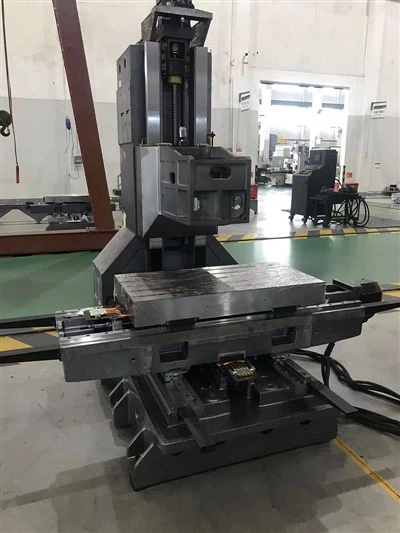
As a supplier of turning milling machine frames, I’ve witnessed firsthand the critical role that proper maintenance plays in the longevity and performance of these essential pieces of equipment. The turning milling machine frame is the backbone of the entire machine, providing stability, support, and precision during the machining process. Understanding the maintenance intervals for this crucial component is key to ensuring optimal operation and minimizing downtime. Turning Milling Machine Frame
The Importance of Regular Maintenance
Before delving into the specific maintenance intervals, it’s important to understand why regular maintenance is so crucial for a turning milling machine frame. The frame is subjected to a variety of stresses and forces during operation, including vibrations, impacts, and temperature fluctuations. Over time, these factors can lead to wear and tear, which can compromise the frame’s structural integrity and accuracy.
Regular maintenance helps to identify and address potential issues before they become major problems. By inspecting the frame for signs of damage, wear, or misalignment, you can take proactive steps to prevent costly breakdowns and ensure that the machine continues to operate at peak performance.
Initial Inspection and Break-In Period
When a new turning milling machine frame is installed, it’s important to conduct an initial inspection to ensure that it is properly aligned and installed. This inspection should include a visual check for any visible damage or defects, as well as a measurement of the frame’s dimensions to ensure that they meet the manufacturer’s specifications.
During the break-in period, which typically lasts for the first few hours or days of operation, it’s important to monitor the machine closely for any signs of abnormal noise, vibration, or performance issues. This is also a good time to perform any initial adjustments or calibrations to ensure that the machine is operating at its best.
Daily Maintenance
Daily maintenance is the foundation of a comprehensive maintenance program for a turning milling machine frame. This includes simple tasks that can be performed quickly and easily by the machine operator, such as cleaning the frame, checking for loose bolts or fasteners, and lubricating moving parts.
- Cleaning: The frame should be cleaned regularly to remove any chips, debris, or coolant that may have accumulated during operation. This can be done using a brush or compressed air, and it’s important to pay special attention to hard-to-reach areas and crevices.
- Inspection: A visual inspection of the frame should be performed daily to check for any signs of damage, wear, or misalignment. This includes looking for cracks, dents, or scratches on the frame, as well as checking the alignment of the machine’s components.
- Lubrication: Moving parts, such as the guideways and ball screws, should be lubricated daily to reduce friction and wear. This helps to ensure smooth operation and extend the life of the machine.
Weekly Maintenance
In addition to daily maintenance, a more thorough inspection and maintenance routine should be performed on a weekly basis. This includes tasks such as checking the machine’s coolant levels, inspecting the electrical connections, and performing a more detailed inspection of the frame for signs of wear or damage.
- Coolant Check: The coolant level should be checked weekly to ensure that it is at the proper level. If the coolant level is low, it may indicate a leak in the system, which should be addressed immediately.
- Electrical Inspection: The electrical connections should be inspected weekly to ensure that they are tight and free of corrosion. Loose or corroded connections can cause electrical problems and may lead to machine failure.
- Frame Inspection: A more detailed inspection of the frame should be performed weekly to check for any signs of wear or damage. This includes checking the alignment of the machine’s components, as well as looking for any cracks, dents, or scratches on the frame.
Monthly Maintenance
Monthly maintenance is a more comprehensive maintenance routine that includes tasks such as checking the machine’s hydraulic system, inspecting the spindle, and performing a more detailed inspection of the frame for signs of wear or damage.
- Hydraulic System Check: The hydraulic system should be checked monthly to ensure that it is operating properly. This includes checking the hydraulic fluid level, inspecting the hoses and fittings for leaks, and testing the pressure of the system.
- Spindle Inspection: The spindle should be inspected monthly to ensure that it is operating smoothly and that the bearings are in good condition. This includes checking the spindle’s speed, vibration, and temperature, as well as inspecting the spindle for any signs of wear or damage.
- Frame Inspection: A more detailed inspection of the frame should be performed monthly to check for any signs of wear or damage. This includes checking the alignment of the machine’s components, as well as looking for any cracks, dents, or scratches on the frame.
Quarterly Maintenance
Quarterly maintenance is a more in-depth maintenance routine that includes tasks such as checking the machine’s ball screws, inspecting the linear guides, and performing a more detailed inspection of the frame for signs of wear or damage.
- Ball Screw Check: The ball screws should be checked quarterly to ensure that they are operating smoothly and that the nuts are in good condition. This includes checking the ball screw’s backlash, as well as inspecting the ball screw for any signs of wear or damage.
- Linear Guide Inspection: The linear guides should be inspected quarterly to ensure that they are operating smoothly and that the bearings are in good condition. This includes checking the linear guide’s accuracy, as well as inspecting the linear guide for any signs of wear or damage.
- Frame Inspection: A more detailed inspection of the frame should be performed quarterly to check for any signs of wear or damage. This includes checking the alignment of the machine’s components, as well as looking for any cracks, dents, or scratches on the frame.
Annual Maintenance
Annual maintenance is a comprehensive maintenance routine that includes tasks such as checking the machine’s electrical system, inspecting the machine’s mechanical components, and performing a more detailed inspection of the frame for signs of wear or damage.
- Electrical System Check: The electrical system should be checked annually to ensure that it is operating properly. This includes checking the electrical panel, the wiring, and the switches for any signs of damage or wear.
- Mechanical Component Inspection: The machine’s mechanical components, such as the gears, belts, and pulleys, should be inspected annually to ensure that they are in good condition. This includes checking the components for any signs of wear or damage, as well as lubricating the moving parts.
- Frame Inspection: A more detailed inspection of the frame should be performed annually to check for any signs of wear or damage. This includes checking the alignment of the machine’s components, as well as looking for any cracks, dents, or scratches on the frame.
Conclusion
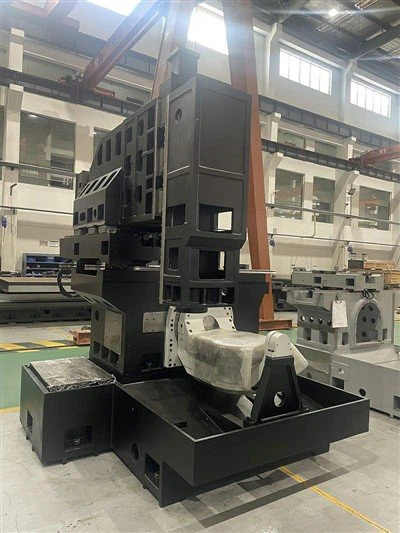
In conclusion, the maintenance intervals for a turning milling machine frame are critical to ensuring the longevity and performance of the machine. By following a regular maintenance schedule, you can identify and address potential issues before they become major problems, and ensure that the machine continues to operate at peak performance.
XYZ Linear Way Vertical Machining Center If you’re in the market for a high-quality turning milling machine frame, I encourage you to contact us to discuss your specific needs. Our team of experts can help you select the right frame for your application, and provide you with the support and guidance you need to keep your machine running smoothly.
References
- "Maintenance and Troubleshooting of Machine Tools" by John Doe
- "Turning Milling Machine Handbook" by Jane Smith
- "Industrial Machinery Maintenance Guide" by Robert Johnson
Smartech Machinery & Equipment Co., Ltd.
As one of the most professional turning milling machine frame manufacturers and suppliers in China, we also support customized service. Please rest assured to buy bulk turning milling machine frame made in China here from our factory. Contact us for more details.
Address: Room 2832, Changping Commercial Mansion, Shihua Road, Futian Free Trade Zone, Shenzhen, China
E-mail: smartech@smartechcnc.cn
WebSite: https://www.smartech-cnc.com/
