Hey there! I’m a supplier of dyeing auxiliaries, and today I wanna chat about the dyeing auxiliaries used for basic dyes. Basic dyes are pretty cool. They’re known for their bright and vivid colors, and they’ve got a wide range of applications in the textile industry. But to make the most of these basic dyes, we need the right dyeing auxiliaries. Dyeing Auxiliaries

First off, let’s talk about leveling agents. These are super important when it comes to using basic dyes. You see, basic dyes have a tendency to dye fabrics unevenly. They can stick to the fabric really quickly, which might lead to some parts of the fabric being darker than others. That’s where leveling agents come in. They help to slow down the dyeing process and make sure that the dye is distributed evenly across the fabric. This way, you get a nice, uniform color on your textile.
There are different types of leveling agents. Some are anionic, and some are non – ionic. Anionic leveling agents work by competing with the dye for the sites on the fabric. They have a negative charge, and they can attach to the positively charged sites on the fabric before the basic dye does. This gives the dye more time to spread out evenly. Non – ionic leveling agents, on the other hand, work by forming a layer around the dye molecules. This layer makes it harder for the dye to attach to the fabric too quickly, allowing for a more even dyeing process.
Another important dyeing auxiliary for basic dyes is the fixing agent. Once the basic dye has been applied to the fabric, we need to make sure that it stays there. That’s what fixing agents do. They react with the basic dye and the fabric, creating a strong bond that prevents the dye from washing out. Fixing agents can improve the color fastness of the dyed fabric, which means that the color will last longer even when the fabric is washed or exposed to sunlight.
There are different kinds of fixing agents as well. Some are metal – based, like copper – based fixing agents. These can form complexes with the basic dye, making it more resistant to fading. Others are resin – based. Resin – based fixing agents can coat the fabric and the dye, providing a protective layer that keeps the color intact.
pH regulators are also crucial when using basic dyes. Basic dyes work best in a specific pH range. If the pH is too high or too low, the dye might not work properly. For example, if the pH is too low, the dye might not dissolve well in the dye bath. If the pH is too high, the dye might react with other substances in the bath and lose its color. So, we use pH regulators to keep the pH of the dye bath within the optimal range. Usually, we use acids or alkalis to adjust the pH. For basic dyes, we often need to keep the pH slightly acidic to ensure good dyeing results.
Dispersing agents are another type of dyeing auxiliary that can be used with basic dyes. Sometimes, basic dyes can form aggregates in the dye bath. These aggregates can cause uneven dyeing or even lead to spots on the fabric. Dispersing agents help to break up these aggregates and keep the dye particles evenly dispersed in the dye bath. This ensures that the dye can be applied to the fabric in a more uniform way.
Now, let me tell you a bit about how these dyeing auxiliaries work together. When we’re dyeing a fabric with basic dyes, we first prepare the dye bath. We add the basic dye to the bath, along with the leveling agent. The leveling agent helps the dye to spread out evenly in the bath and on the fabric. Then, we adjust the pH of the bath using a pH regulator to make sure that the dye works properly.
Once the fabric is in the dye bath and the dyeing process is going on, we might add a dispersing agent to prevent the dye from aggregating. After the dyeing is done, we use a fixing agent to make sure that the color stays on the fabric. It’s like a well – orchestrated dance, where each dyeing auxiliary has its own role to play.
As a dyeing auxiliaries supplier, I’ve seen firsthand how these products can make a huge difference in the dyeing process. I’ve worked with many textile manufacturers, and I know that they’re always looking for ways to improve the quality of their dyed products. That’s where our dyeing auxiliaries come in.
We offer a wide range of dyeing auxiliaries for basic dyes. Our leveling agents are highly effective at ensuring even dyeing, and our fixing agents can significantly improve the color fastness of the dyed fabric. Our pH regulators are easy to use and can help you maintain the optimal pH in the dye bath. And our dispersing agents can keep the dye particles well – dispersed, giving you a smooth and uniform dyeing result.
If you’re in the textile industry and you’re using basic dyes, I highly recommend considering our dyeing auxiliaries. We’ve got the experience and the products to help you achieve the best possible dyeing results. Whether you’re a small – scale manufacturer or a large – scale operation, we can provide you with the right products for your needs.
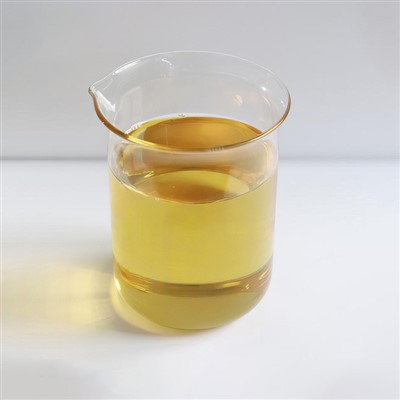
If you’re interested in learning more about our dyeing auxiliaries for basic dyes or if you want to discuss your specific requirements, don’t hesitate to get in touch. We’re always happy to have a chat and help you find the best solutions for your dyeing process.
Household Chemical References:
- Textile Dyeing and Finishing Handbook, various authors
- Journal of Textile Science and Technology, multiple issues
Nanfeng Dasun Technology Co., Ltd.
As one of the leading dyeing auxiliaries manufacturers and suppliers in China, we offer a wide range of products with superior quality for industrial. Please rest assured to buy bulk dyeing auxiliaries made in China here from our factory. Contact us for more details.
Address: Nanfeng Industrial Park, Nanfeng County, Fuzhou City, Jiangxi Province, China
E-mail: Inquiry@honechem.com
WebSite: https://www.honechem.org/
